
Find your fairway finder
Dense trees line the right side of the fairway, while a large, intimidating water hazard guards the left. Drivers and irons have their place, but here it’s all about putting the ball in play with solid distance and pinpoint accuracy. Which club do you reach for when finding the fairway is a must – or when you need a reliable lay-up shot?
Most golfers would agree that hitting a driver is one of the most enjoyable shots in the game. There’s something special about teeing the ball up, pulling the biggest club from the bag and swinging with full commitment, watching the ball rocket off the tee and split the fairway.
At least in our dreams.
The reality, however, is that the driver can also be the hardest club to master. With its low loft and long shaft, it demands precision. That’s why there are times when reaching for another club is the smarter option – whether you want to put the ball safely in play from the tee or play a reliable positional shot from the fairway.
So what should you choose?
It’s time to take a closer look at the clubs that sit just above your irons in the bag. For some golfers that’s a fairway wood, for others it’s a hybrid, while some prefer a utility iron.
Professionals and club golfers often have very different set-ups. That’s why we carried out a test in which three golfers with different handicaps hit a hybrid, a utility iron and a 7-wood to see if we could identify any clear strengths and weaknesses between the different options.
Let’s rewind for a moment. Around the turn of the millennium, many golfers carried 2-irons and 3-irons in their bags – often traditional blade-style models. They were also commonly used from the tee. That’s no longer the case, and one of the main reasons is the arrival of hybrids. They launch the ball higher and offer significantly more forgiveness, particularly for golfers with moderate swing speeds. Today’s utility irons have largely replaced the traditional long irons. They follow the same principle but feature wider soles, longer clubheads and, in most cases, graphite shafts, making them far easier to hit consistently.
Then there are the higher-lofted fairway woods, which have always been around but were somewhat overlooked for a while. Many professionals and accomplished amateurs are comfortable hitting a 3-wood, while an increasing number of club golfers are turning to a 5-wood instead. For this test, we’ve chosen to include a 7-wood. It’s a club that has enjoyed something of a resurgence in recent years, with players such as Adam Scott, Jason Day and, more recently, Ludvig Åberg putting one in the bag after previously switching between hybrids and utility irons. American Ryder Cup player Max Homa and Sweden’s David Lingmerth have even been spotted using a 9-wood. In other words, there are plenty of options, and no definitive right or wrong choice. The key is finding the club that gives you confidence when the pressure is on.
TEST – Which club is the safest option off the tee?
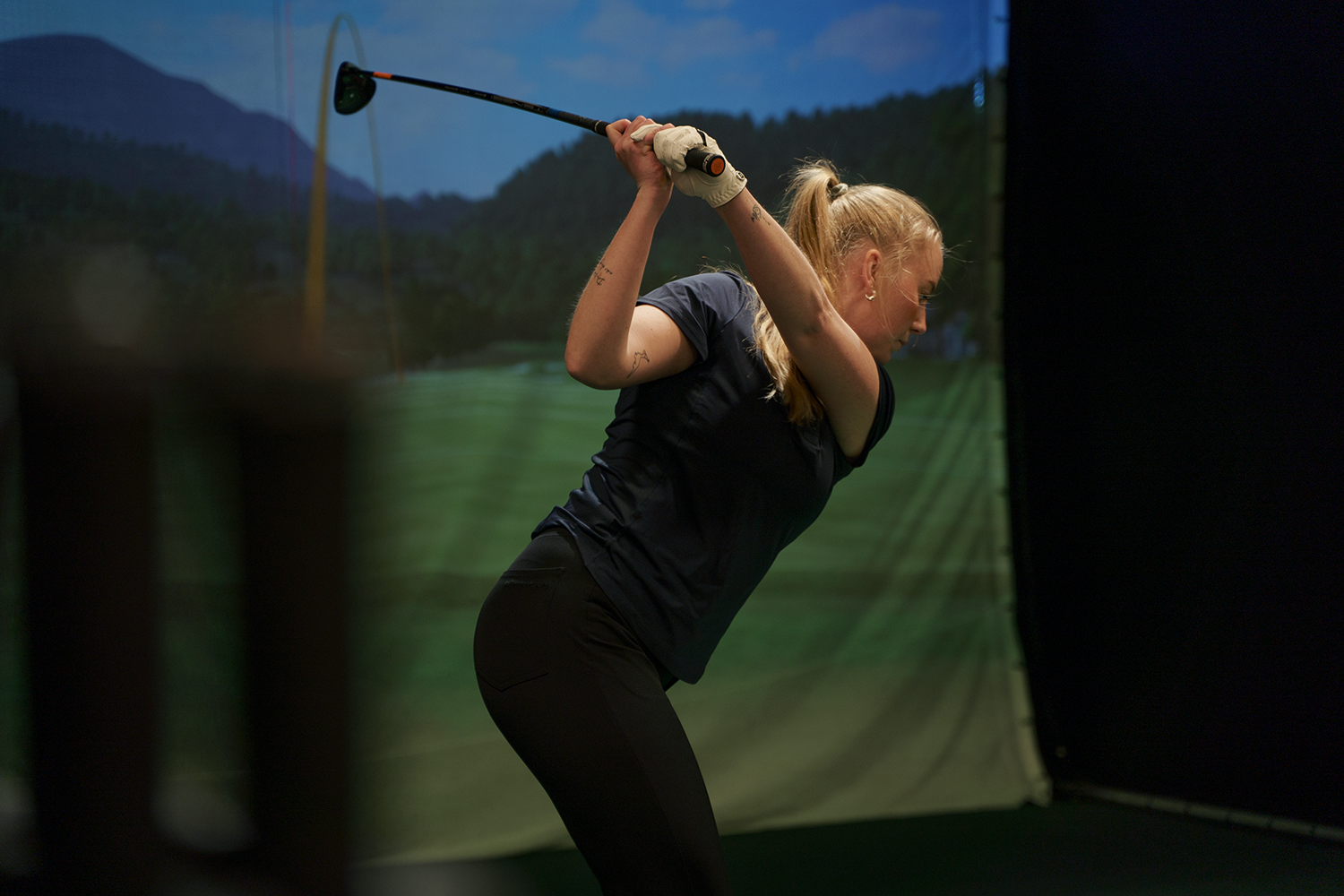
Victor, Fanny and Sebastian tested a hybrid, a 7-wood and a utility iron. All three clubs featured 21 degrees of loft and shafts matched to each player’s swing speed. Each golfer hit 10 shots from the turf with every club to ensure the fairest possible comparison. The clubs used were the Callaway Paradym Ai Smoke (hybrid), Titleist TSR2 (7-wood) and Wilson Staff Model (utility iron). The test was conducted using a TrackMan 4 launch monitor and overseen by Dormy Örebro custom fitting specialist Didrik Hamrén.

Didrik Hamrén, Dormy Örebro

Victor – Handicap 5.6
Which type of club did you like the most?
– The utility iron was my favourite. I think I’d have liked it even more if we’d been hitting from a tee, as it’s a club I’ve always felt confident with.
And which one suited you the least?
– I’d have to say the 7-wood because I’d never really used one before. It was easy to hit and performed well, but I didn’t feel completely comfortable with it. That’s probably because it was something new to me.
What’s your fairway finder at the moment?
– I play a Callaway Epic 3-iron that’s been in my bag for several years. It’s a club I can rely on in almost any situation.
The expert’s verdict
“Victor is a good enough player to handle all three clubs very well. The 7-wood wasn’t his longest option, but it produced consistently solid results. It also delivered the highest launch and the most spin, meaning approach shots would land more softly and stop more quickly on the green. If anything, I’d probably take the hybrid out of the equation because Victor naturally plays a draw, and that club tended to move even further left for him. The utility iron launched lower and produced a little more roll, making it an excellent option from the tee. He’s clearly comfortable with a utility iron, and that showed in the consistency of his strike.”
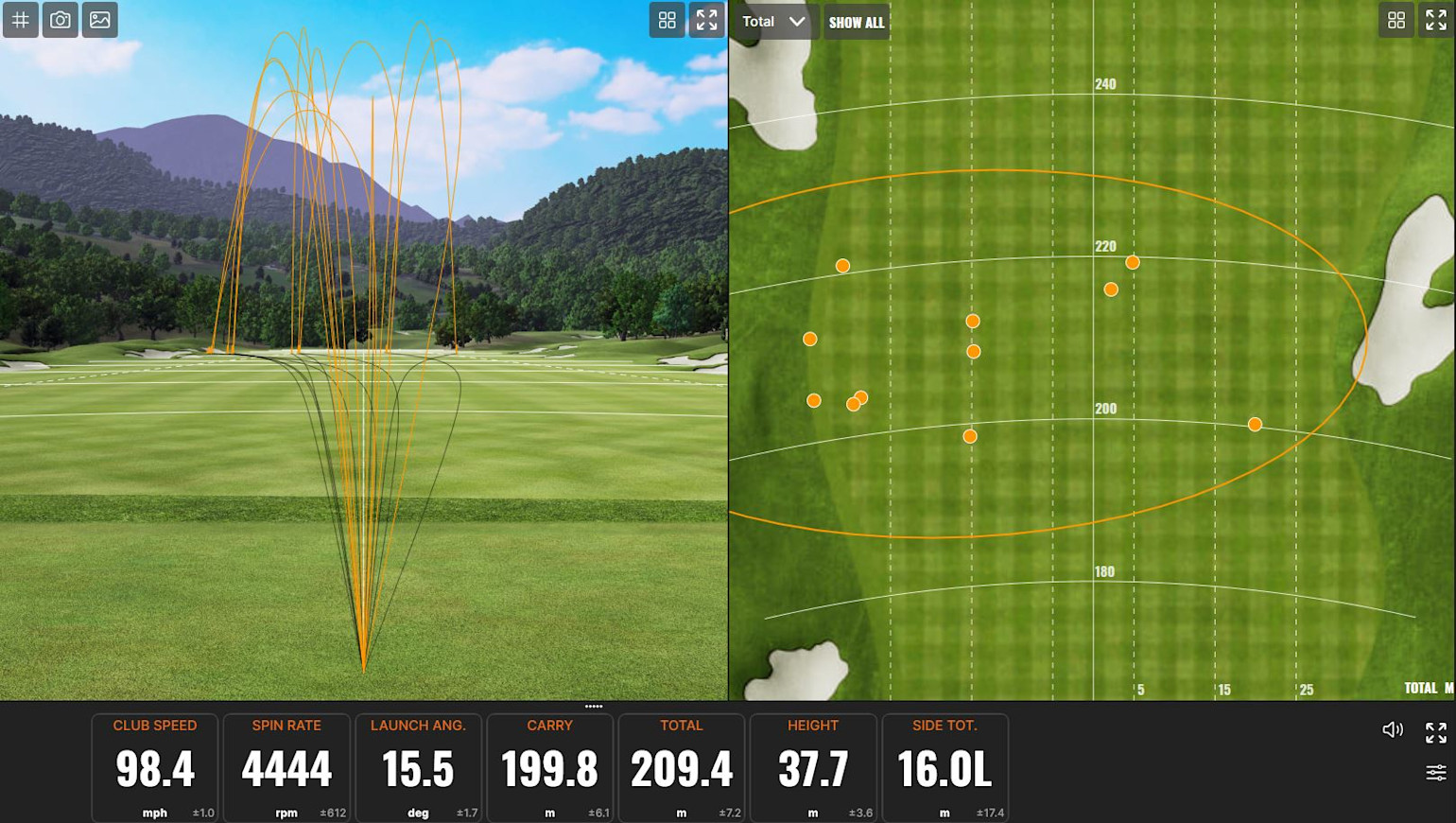
FW7
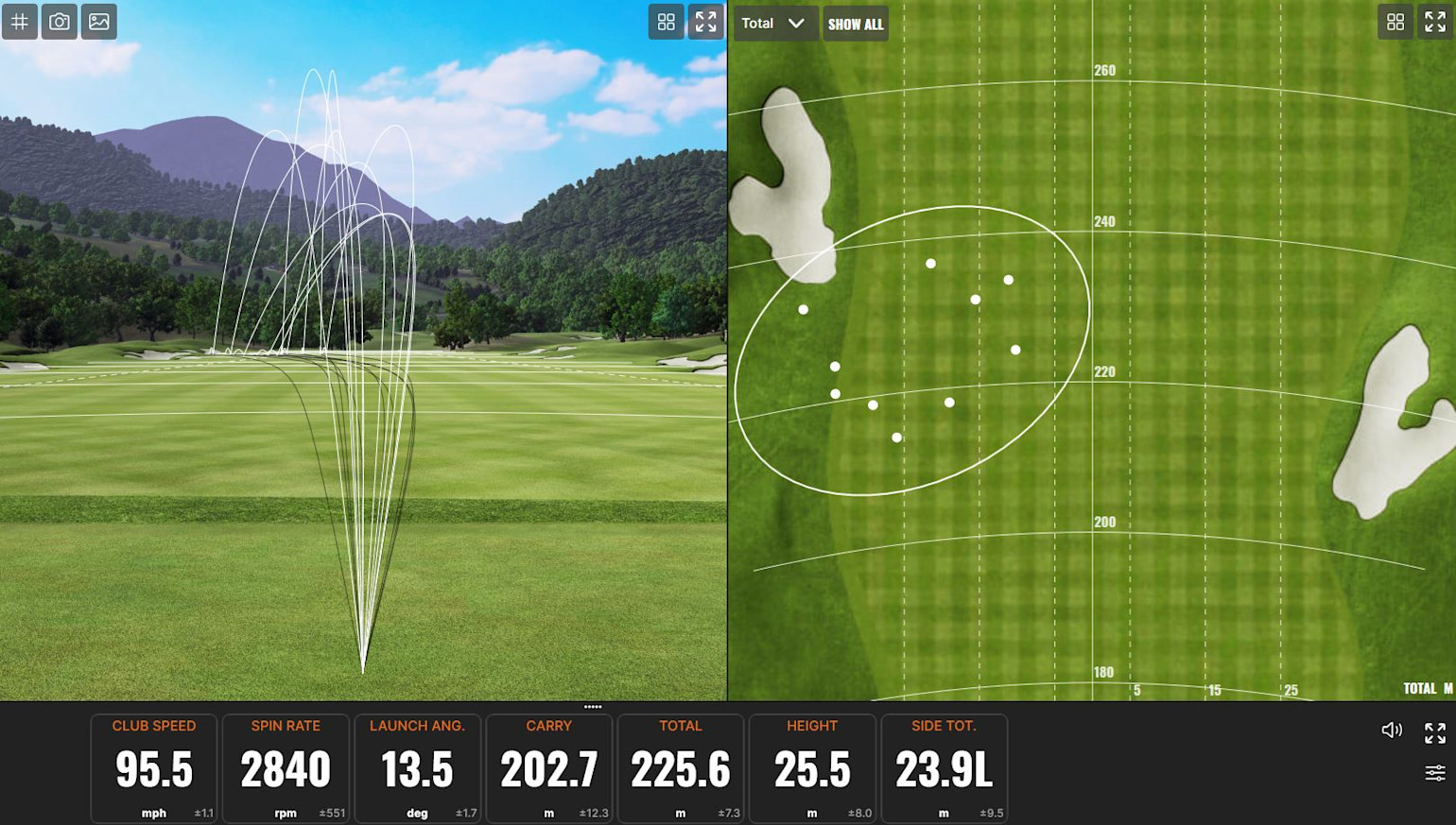
Hybrid
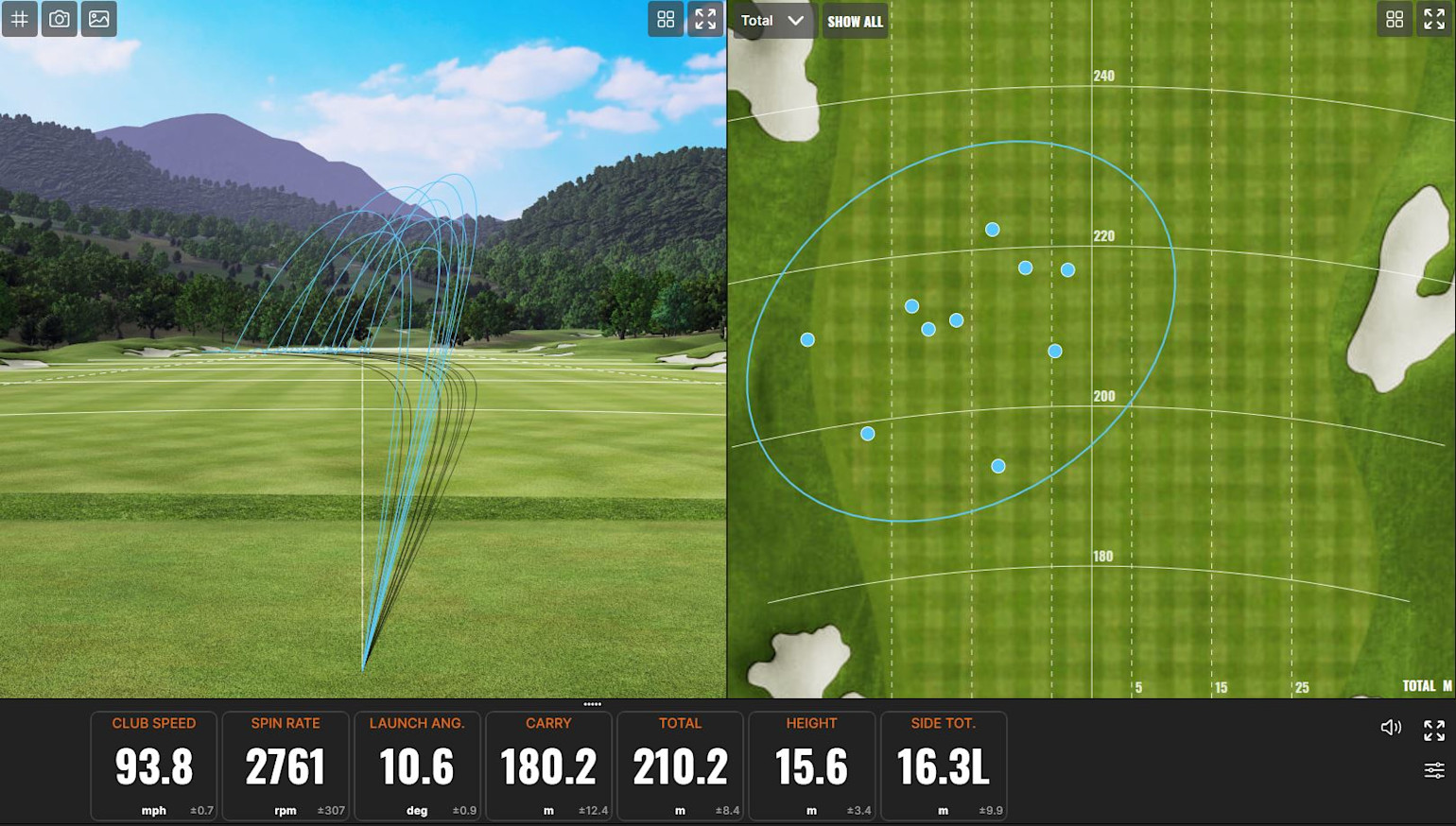
Utility
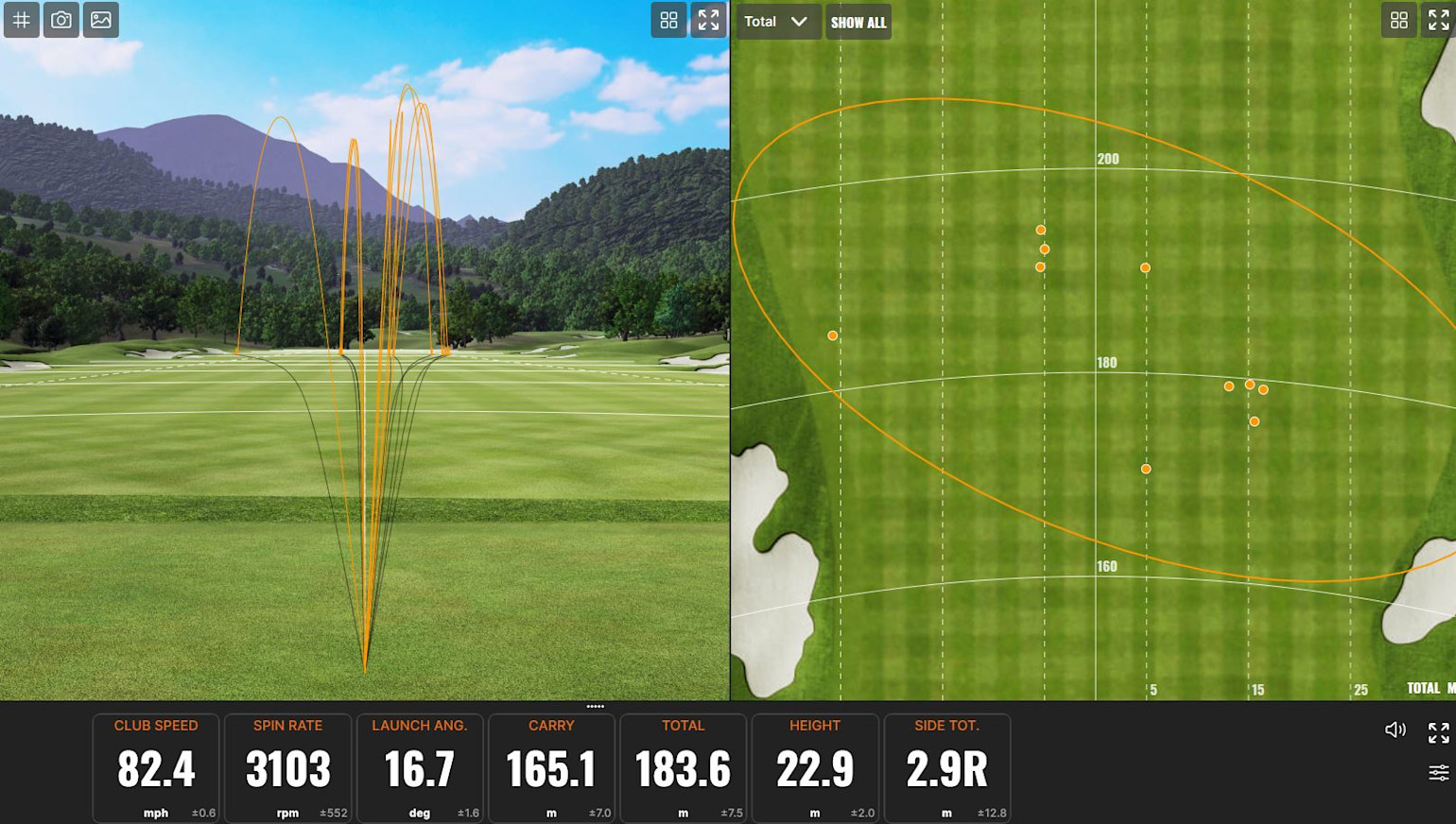
FW7
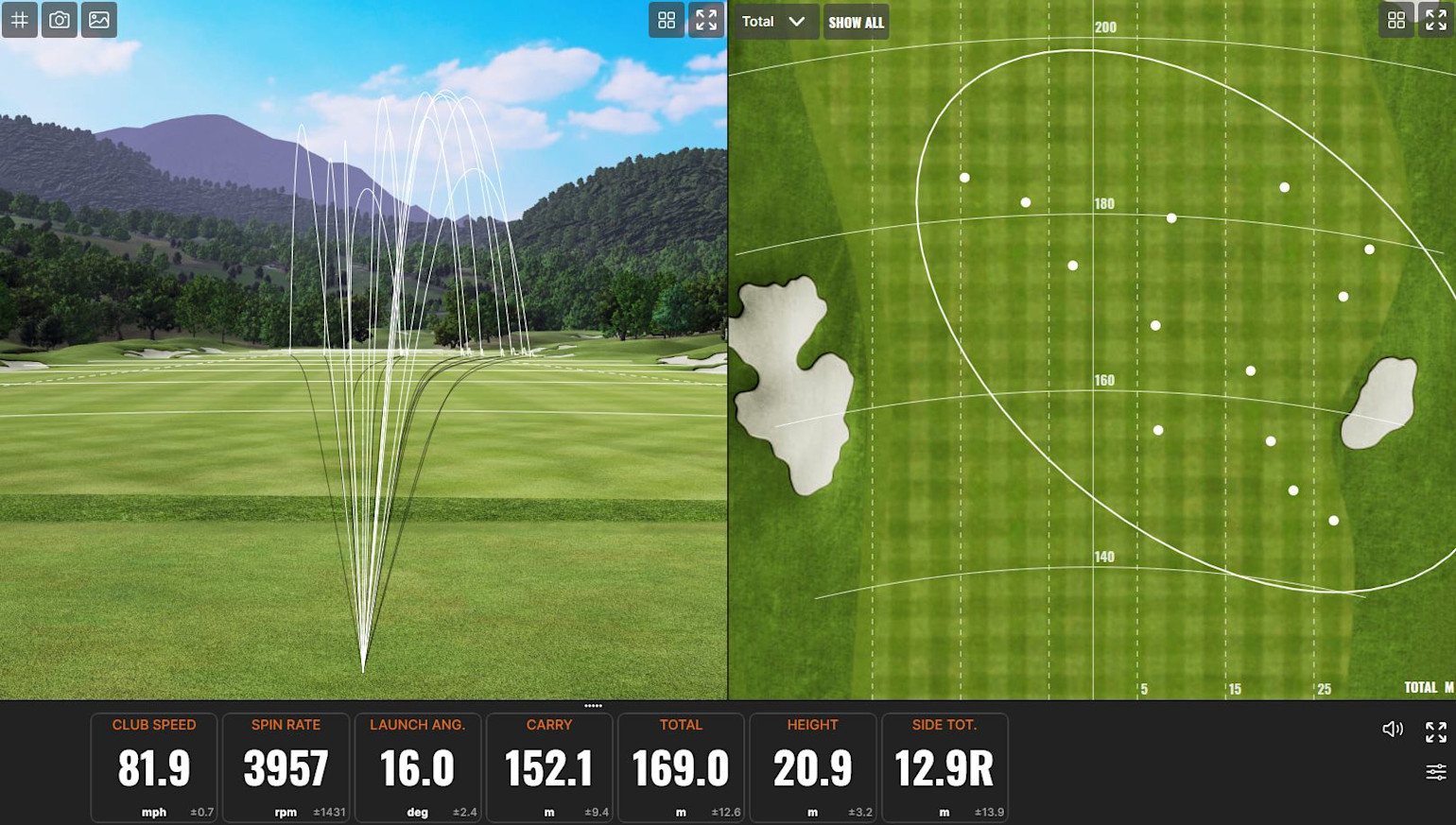
Hybrid
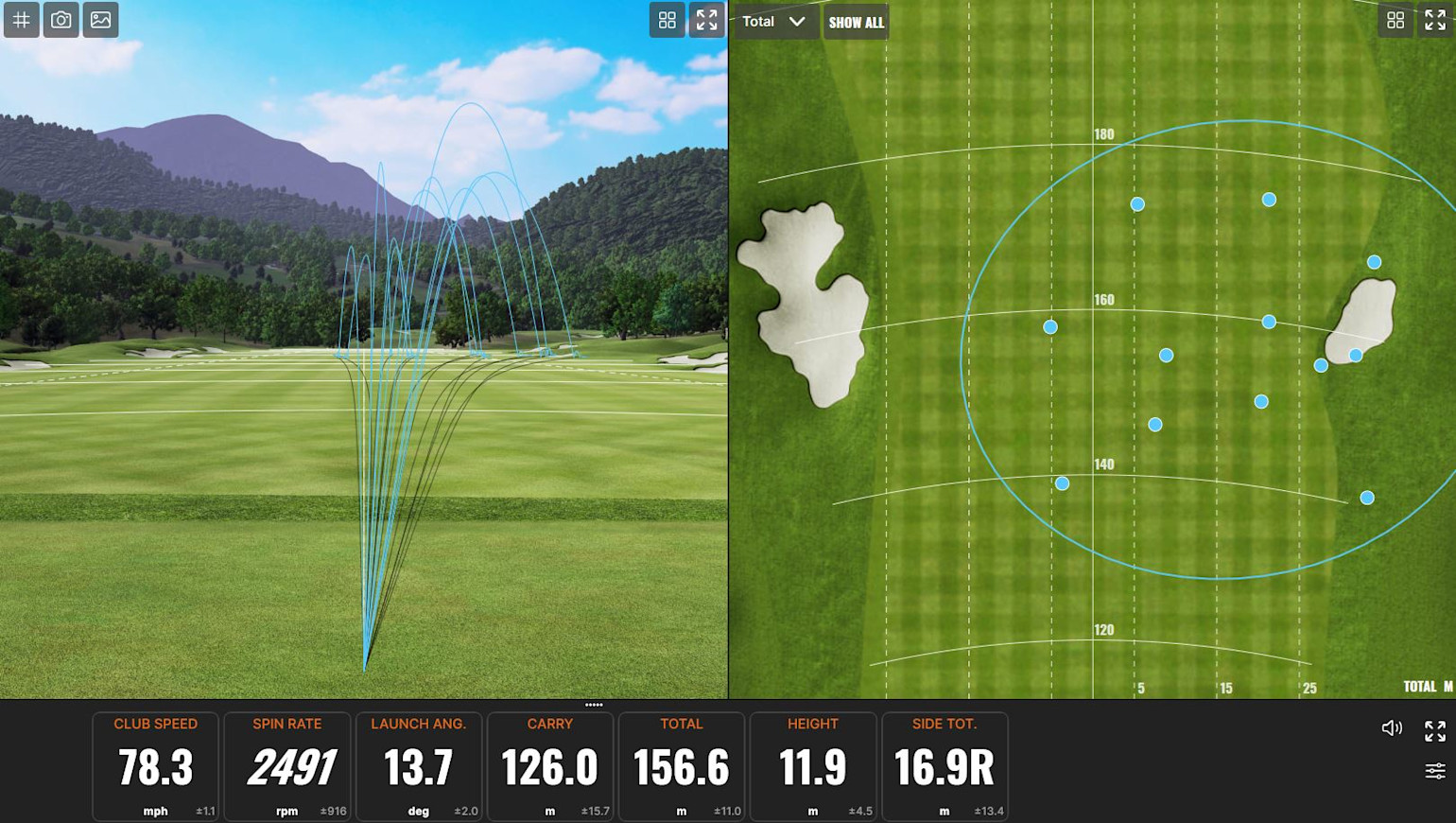
Utility
Fanny – Handicap 10.5
Which type of club did you like the most?
– The results speak for themselves. I definitely felt I had the most control with the 7-wood. As the session went on, I was able to adjust my swing to improve both strike and ball flight, which was much harder to do with the utility iron.
And which one suited you the least?
– I really struggled to find the middle of the face with the utility. I only managed one or two really good shots, and the rest found it difficult to launch the ball properly. At first I thought it was just in my head, but judging by everyone else’s results, I think it’s simply a more demanding club.
What’s your fairway finder at the moment?
– I play a 21-degree Titleist TSi2 hybrid that I absolutely love. It’s forgiving, long and finds plenty of fairways, even from the rough. I also carry a 5-wood, although it doesn’t come out quite as often.
The expert’s verdict
“The utility iron is the first club I’d rule out here. It simply didn’t generate the launch needed to produce optimal numbers. That’s partly down to swing speed, but also a lack of familiarity with the club. Both the hybrid and the 7-wood performed better, with the 7-wood comfortably coming out on top for distance. The larger head helps launch the ball higher, while the longer shaft increases clubhead speed. A 7-wood would be an excellent addition to Fanny’s bag, and if there’s room for a hybrid as well, I’d recommend carrying both. That gives her two clubs covering different distances, while the hybrid remains the easier option from thicker rough.”
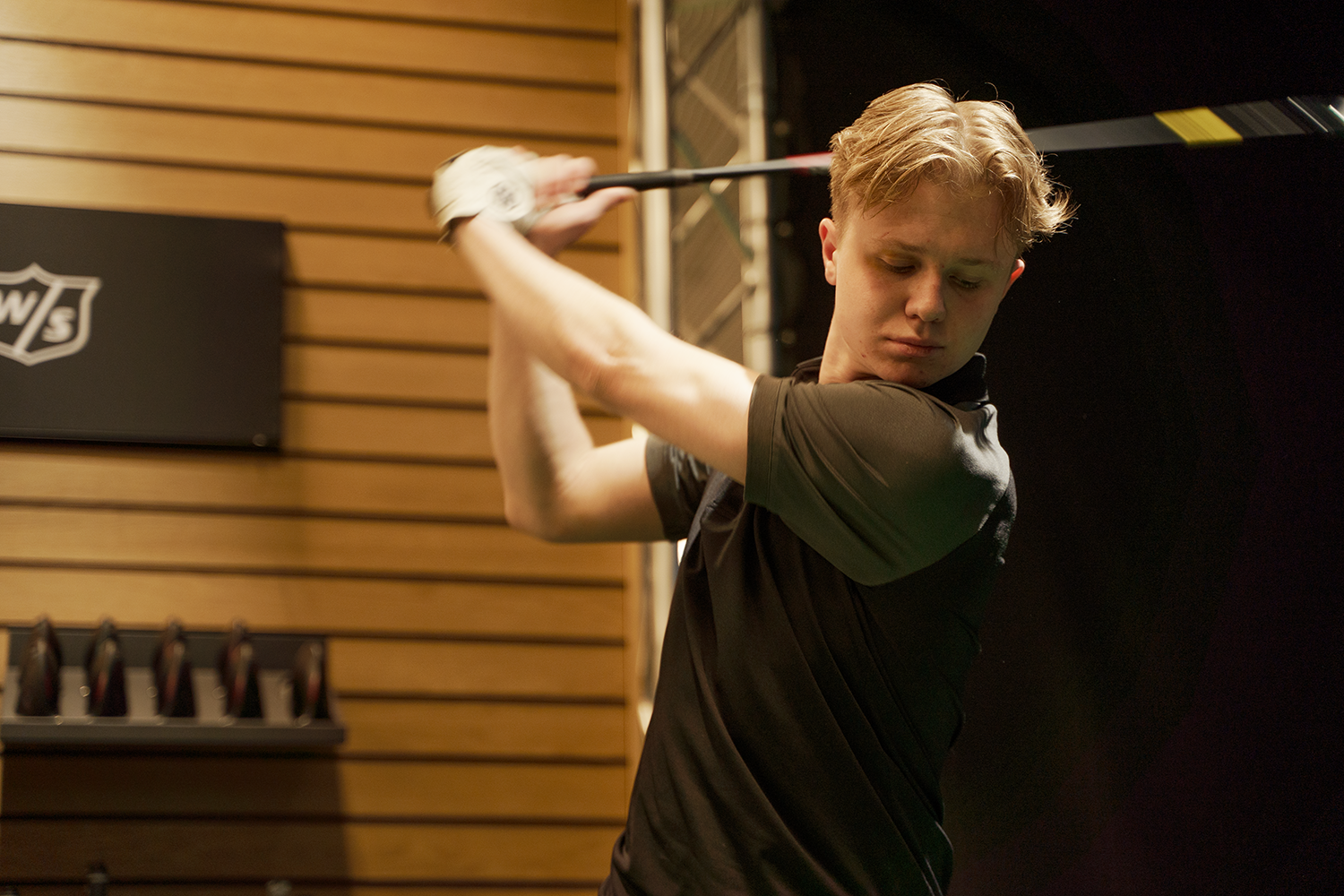
Sebastian – Handicap 20.2
Which type of club did you like the most?
– The 7-wood was a really pleasant surprise. It was both my longest and straightest club, so it naturally felt like the best option.
And which one suited you the least?
– That has to be the utility iron. The ball flight was far too low, and I struggled to strike it well. I’m still fairly new to golf, so it was simply too demanding for me at this stage.
What’s your fairway finder at the moment?
– Good question. I’ve been using a hybrid until now, but after this test I feel like I might need to rethink that.
The expert’s verdict
“There was a clear winner here, and it was the 7-wood. Like many golfers, Sebastian struggles with a slice. Distance was fairly similar between the hybrid and the 7-wood, but the 7-wood was significantly straighter. Its slightly larger clubhead made it much easier for Sebastian to control the ball, tighten his dispersion and find the middle of the fairway more often. The larger head also places the centre of gravity further back, making the club more forgiving. That’s why we saw straighter shots with less side spin. The utility iron proved too demanding, and Sebastian struggled to square the clubface through impact.”
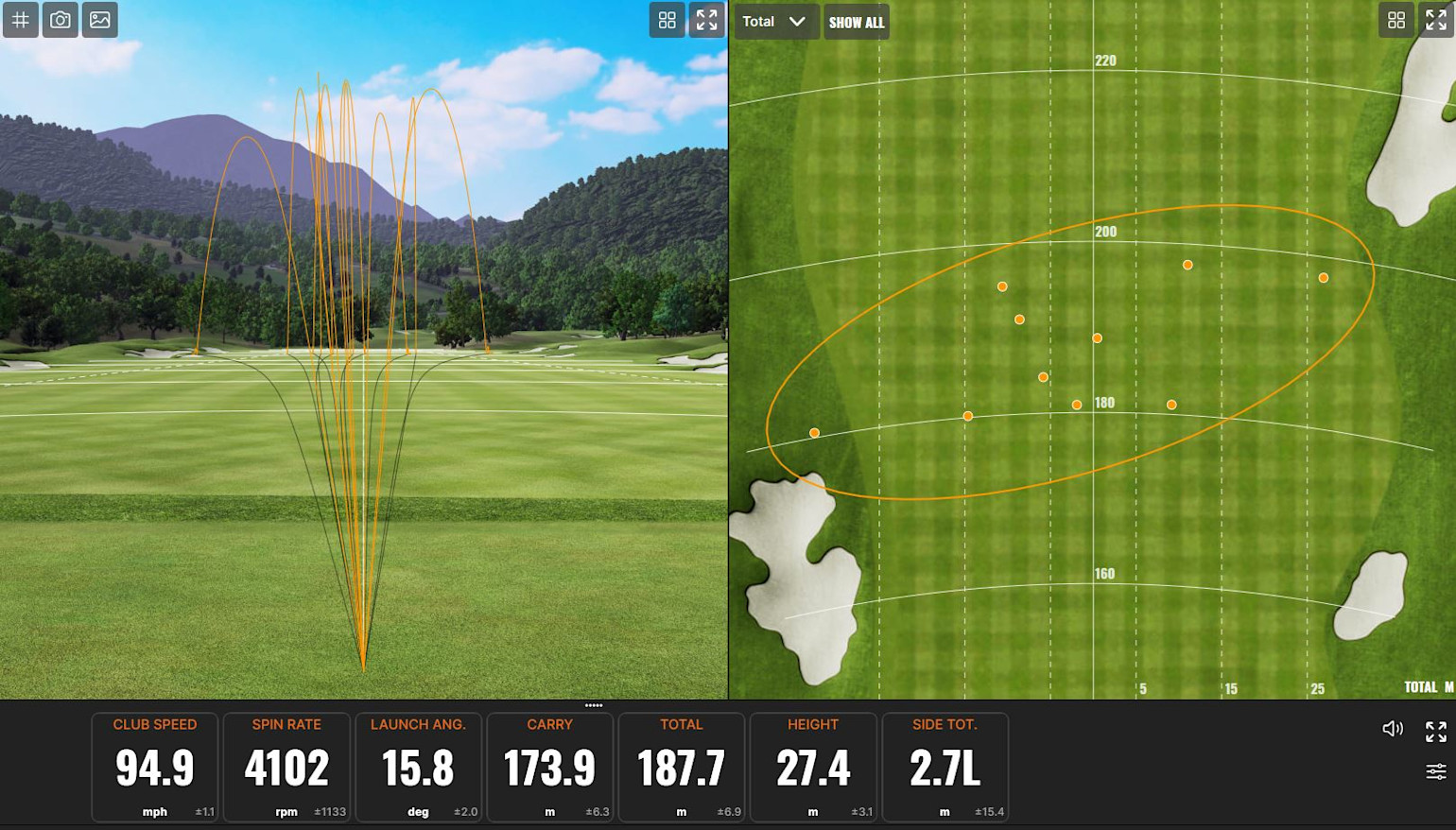
FW7
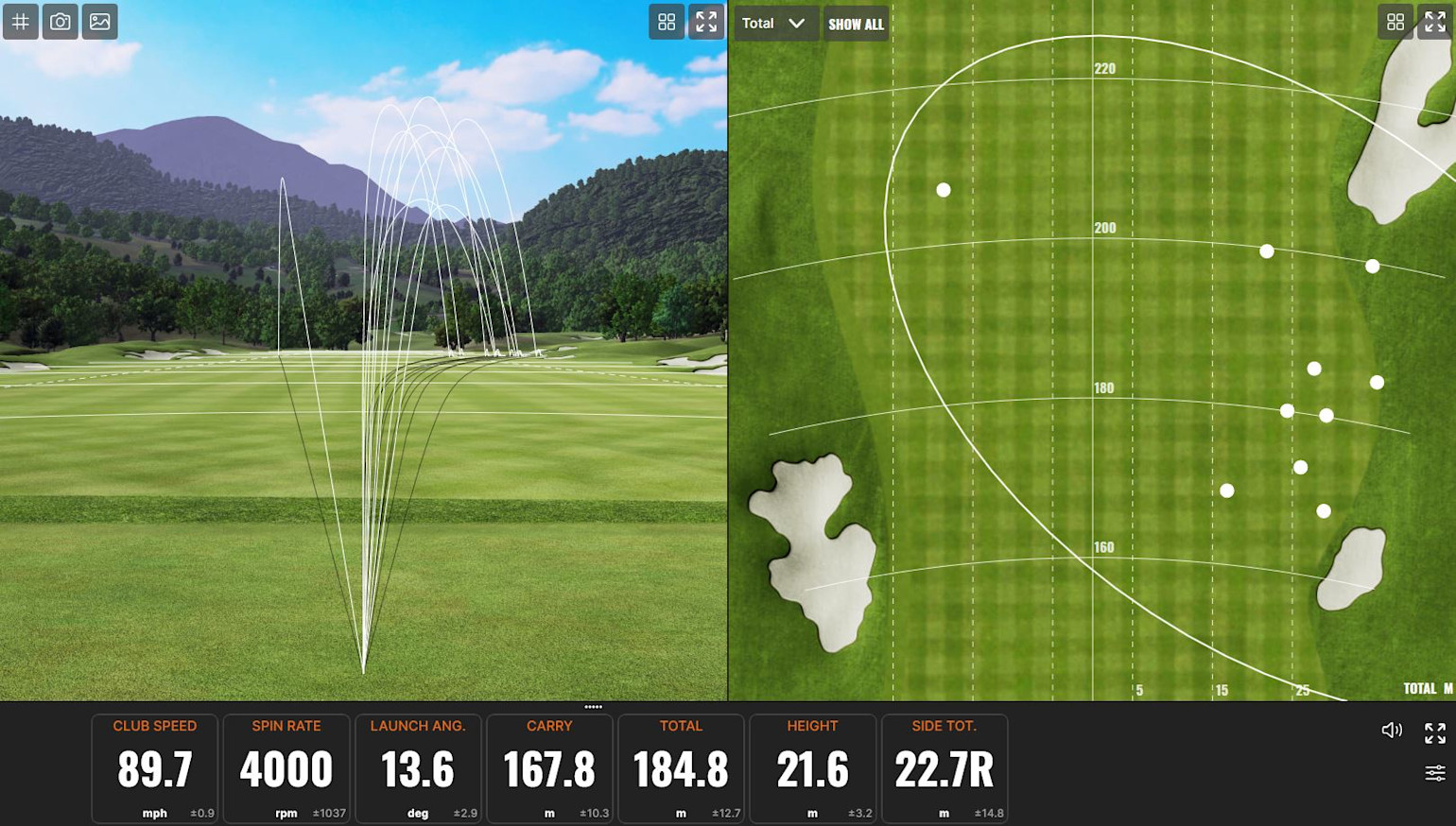
Hybrid
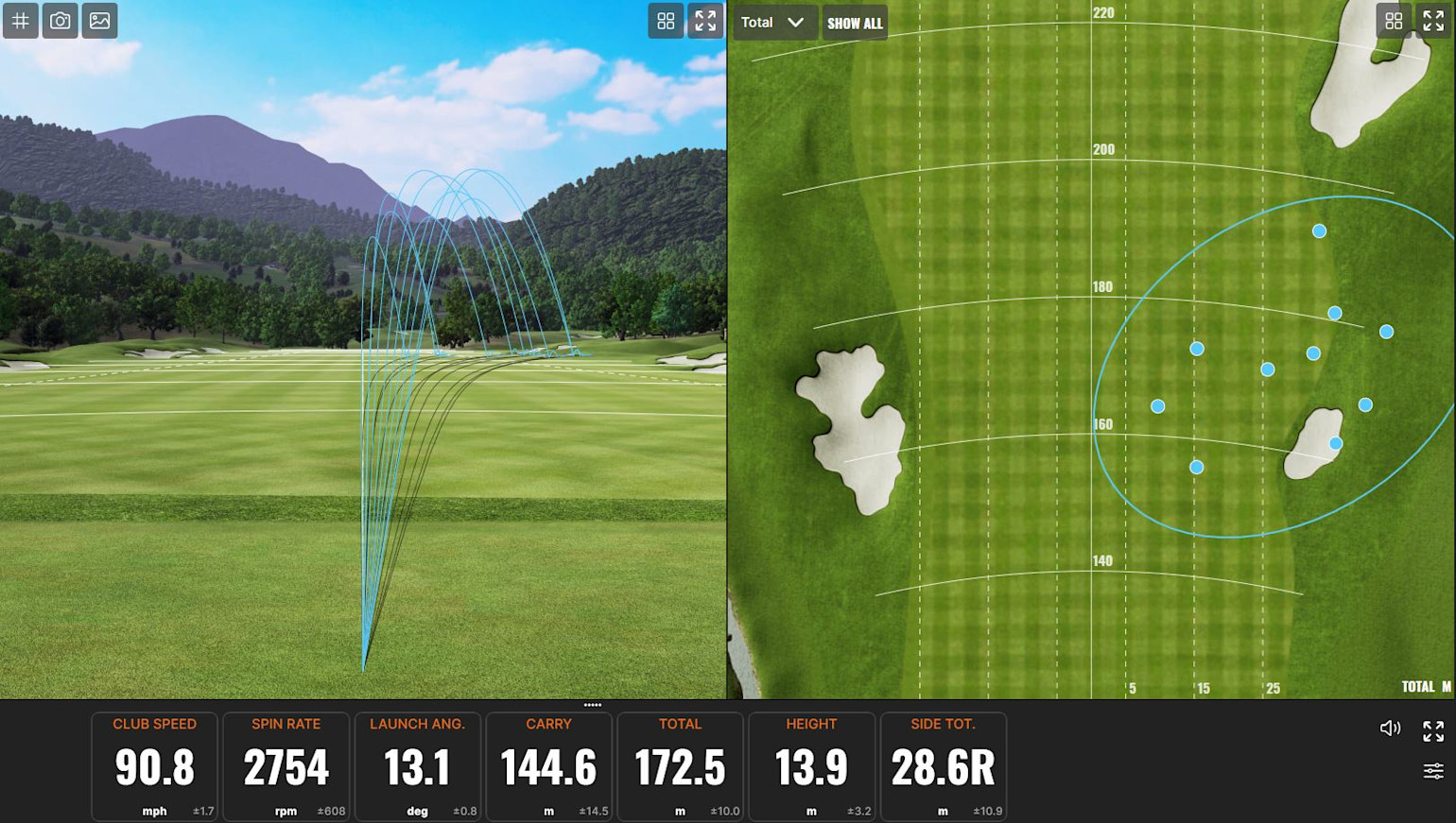
Utility
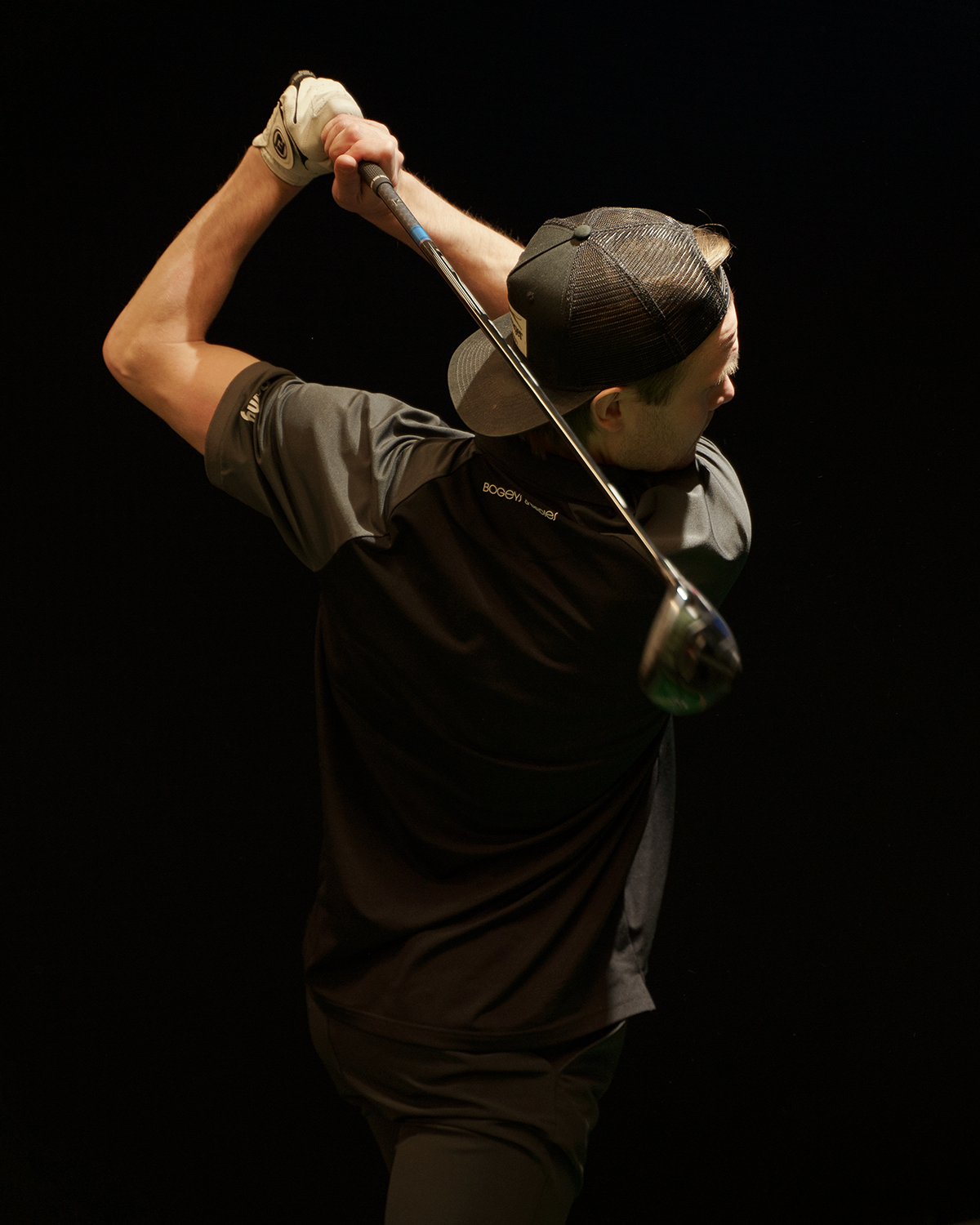
The expert’s verdict
Now that the test is over, what are your thoughts? Did the results match your expectations?
– I was actually a little surprised that golfers from every handicap group achieved their best results with the same club. I expected the hybrid and the 7-wood in particular to be much closer, but after seeing the numbers, I think it’s fair to crown the 7-wood as the overall winner.
Having carried out countless custom fittings, which type of club do golfers usually choose?
– It varies a lot. Most golfers tend to choose the type of club they’re already familiar with and feel comfortable using. That said, higher-lofted fairway woods are becoming increasingly popular, especially now that we regularly see tour professionals putting them into play.
From your expert perspective, which club deserves more attention?
– I’d definitely encourage more golfers to look at higher-lofted fairway woods. They’re incredibly easy to hit and work well from a wide variety of lies. They’re excellent off the tee and for positional shots, but they’re also great into greens because the higher launch helps the ball land softly and stop more quickly. If you’re unsure which clubs are right for you, I’d recommend booking a bag fitting at your nearest Dormy store. Together we’ll go through your set, identify any distance gaps and make sure every club in the bag has a clear purpose and earns its place.